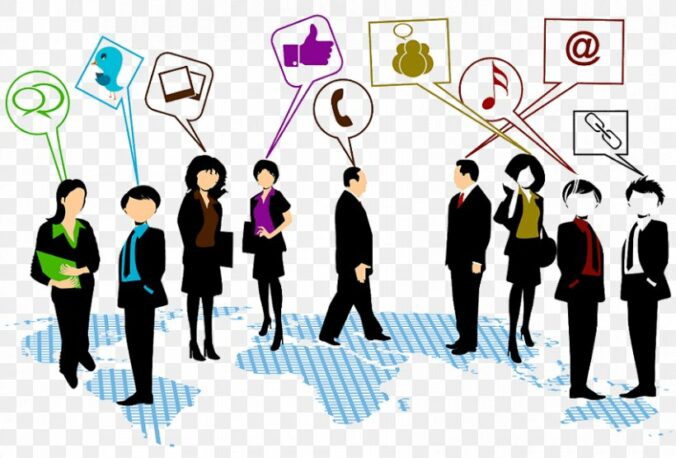
Reading 1 – What is a Personal Learning Network (PLN)?
As humans we all prefer different networks to interact with people, social media, and services both online and offline. Personal learning network would be a lifelong process because everyday different technologies keep on emerging. With this advancement some jobs are lost, and some new jobs are being created which does not require humans. Therefore, with the developing new networks we should not rely into one platform instead we should carefully develop our own networking skills and digital literacies.
Reading 2 – Understanding Personal Learning networks: Their Structure, Content and the Networking Skills Needed to Optimally Use Them
Professional networking means making connections with different professionals and understanding their skills and advising them with the knowledge we have in order to maintain a long-term tie with them. Primary task of professional networking is built, maintain, and activate connections with individuals in the learning process. Examples of activities would be workshops, online or face to face conferences etc. Benefits of professional networking can be addressed in two perspectives they are individual perspective and organizational perspective. Individual perspective supports the individual in the progress of his/her career and providing constant support when need arises. Whereas organizational perspective focuses more on the on the innovation and building trust among partners. There are 3 types of connections strong, weak, and very weak. So, these connections vary depending on the contribution to the individuals learning process. Depending on the intentions of the professional, these ties good become stronger or weaker over time. The factors which help to identify is the connection/tie created is strong, weak, or very weak would-be communality, organization of contact, network of a contact, reputation, benevolence, like-mindedness, real potential for collaboration, real potential for learning and trends in work environment. Although these factors emerged from studies there is no method to identify up to what extent each factor influences the networking process.

Reading 3 – Networked Privacy
Along with our data our privacy is increasingly networked. What we share about ourselves tells a lot about other people. We don’t have 100% control over what other people share about us. For example, there maybe a lot of photos or information about us on the internet which we aren’t aware of which are being published by other people. For instance, it could an Instagram picture of another person and we are in the background. But with the developing technologies we now have much of control of what we need to share about our personal life to the world, but we have no control in what other people think about us.
Video 1 – ERIC STOLLER , What is Digital Identity?
The first video was all about our digital identity and how we appear to people online. Even though learning is a life-long process social media makes it very interesting because there are more new technologies that come up with time.
Video 2 – The Value of Digital Identity for the Global Economy and Society
Not all people in the world have the access to digital identity so to overcome with that issue some countries have come up with a solution in order to create digital identities. For instance, in Estonia the government has come up with a shared uniform national identity platform where all of the personal information is linked to an ID card and that ID could be linked to e-banking and other services. Benefit of having a digital ID for an individual would help them in many areas. For instance, when applying for a job having a digital ID would be helpful for the employer in order to build their connection and trust with the employee. Also, in countries like India some people find it difficult to keep a record of their birth certificates so introducing this digital identity has helped them a lot in accessing services and also less paperwork to carry around. A good ID is recognized as government issued one or an ID which is being made through an individual’s digital trial. There are risks in having a digital ID and some could be data losses or breaches, data security. This could be minimized by having rules such as not sharing your personal information with anyone. For example, in Canada the digital identity of an individual is their SIN number, and we aren’t allowed to share it with anyone unless it’s a trusted organization such as a Bank or any reliable company.
Leave a Reply